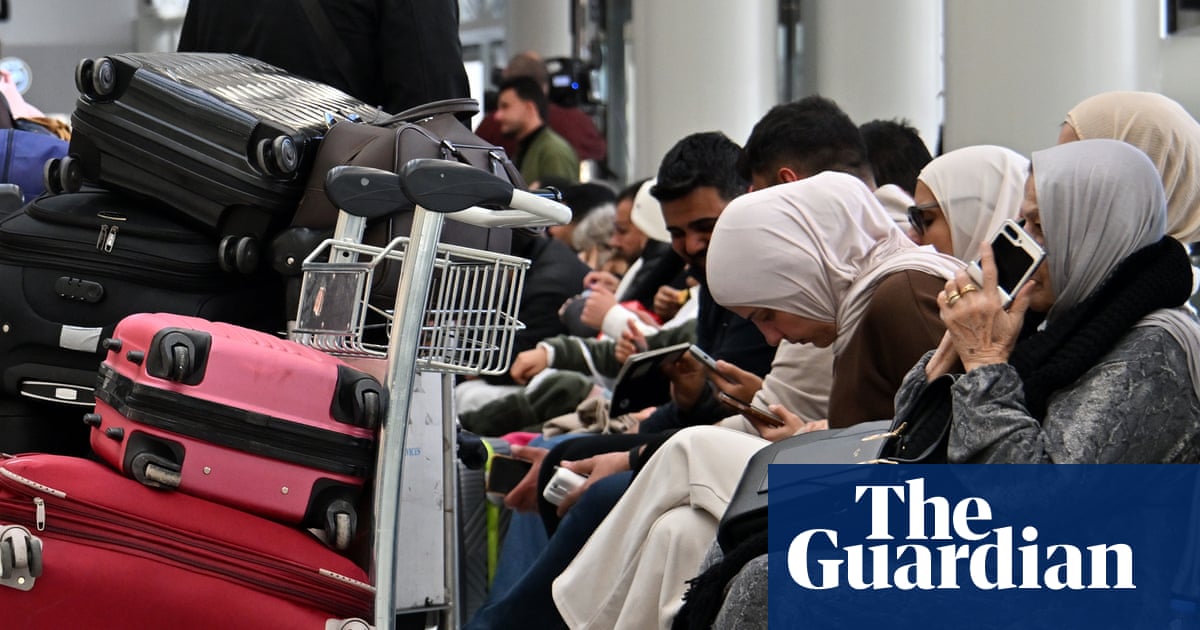
Gulf Airspace Closure: Thousands of Travelers Stranded in Dubai & Abu Dhabi
Dubai and Abu Dhabi, twin jewels of the Arabian Gulf, have long epitomized luxury, ambition, and above all, safety. Millions flock to these vibrant cities annually, drawn by their iconic skylines, pristine beaches, and world-class hospitality. Yet, in a dramatic turn of events, this carefully cultivated image of paradise has been severely tested. A sudden and comprehensive closure of Gulf airspace has left thousands of travelers – often referred to by those searching for answers as "touristes bloqués Dubaï" or simply "stranded tourists in Dubai" – facing an unexpected and, for many, terrifying ordeal. What began as a dream vacation or a seamless transit has quickly devolved into a desperate wait, marked by fear, uncertainty, and a longing for home.
From Dream Vacations to Unforeseen Ordeal
Picture this: you're lounging on the artificial sands of Palm Jumeirah, a refreshing drink in hand, the gentle lapping of engineered waves your only soundtrack. Suddenly, the sky erupts. A muffled explosion, a fiery streak across the horizon, and then the chilling thud of debris impacting not far from your opulent hotel. This isn't a scene from a blockbuster movie; it's the stark reality that has confronted countless tourists in Dubai, transforming their idyllic escapes into a zone of palpable tension.
One of the most harrowing accounts comes from a British couple, traveling with their baby and pregnant wife, staying at a prestigious hotel on The Palm. On a recent Saturday evening, their world was rocked when a fragment of an intercepted missile fell terrifyingly close to their window. Panic became their immediate companion. "We were terrified," recounted the father. "We just want to get home as quickly as possible." They found themselves scrambling down ten flights of stairs, their infant clutched tight, heartbeats echoing in the stairwell. The night was spent in the relative safety of the hotel basement, sharing transats with other frightened guests, a stark contrast to the rooftop pools and gourmet dining they had anticipated. Even with the sun now shining on the turquoise waters, the fear lingers, trapping them within the hotel's walls.
Abu Dhabi has faced similar upheaval. A Swiss mother on holiday with her family described her anxiety as "super angissé" (extremely anxious) after hearing explosions near her hotel. "You go from vacation to continuous stress because you don't know what's going to happen, you don't know what to do... No one knows... absolutely no one," she lamented. Another Swiss traveler, Yasmine Yagchi, was about to board her flight when an alert demanded she take shelter. The struggle to retrieve luggage, compounded by a second late-night alert, amplified her fear and the feeling of helplessness. These harrowing accounts echo similar testimonies explored in Missile Scares in Dubai: Tourists Describe Panic and Fear in Luxury Hotels, painting a vivid picture of the psychological toll on those caught unexpectedly in the crisis.
The Logistical Nightmare: Flights Grounded, Futures Uncertain
The airspace closure has plunged thousands into a logistical quagmire. Families on what should have been memorable holidays, couples celebrating anniversaries, business travelers on crucial trips, and even those simply in transit, all find themselves in an agonizing holding pattern. Hotels, typically bustling with the joyous din of holidaymakers, have become impromptu waiting rooms. Luggage sits forlornly in lobbies, a constant reminder of deferred departures, while eyes remain glued to news channels, desperately seeking any update on flight resumptions.
The practical implications are immense. Cancelled flights mean not just lost time, but often significant financial strain. Extended hotel stays, rebooking fees, unexpected meal costs – these accumulate rapidly, turning a planned budget upside down. While some hotels and airlines have offered assistance, the commitment varies, and the underlying anxiety about these unforeseen expenses remains. Travel insurance, often seen as a minor add-on, is now under intense scrutiny, with many discovering the limitations of their policies when it comes to geopolitical events or "acts of God." The lack of clear information from authorities and airlines has only compounded the stress, leaving travelers feeling isolated and unheard.
A Fragile Sense of Security: Why the Gulf?
The Gulf region, particularly the UAE, has meticulously crafted an image of stability and futuristic prosperity. Dubai, with its robust infrastructure and strategic location, serves as a pivotal global aviation hub, connecting East and West. Abu Dhabi mirrors this ambition, offering a sophisticated blend of culture and commerce. Both emirates have invested heavily in security, presenting themselves as havens in a often-turbulent region. This perceived invulnerability is precisely what makes the current situation so profoundly shocking and disorienting for those affected.
The recent missile strikes and retaliatory actions, while not directly targeting tourist areas, have undeniably shattered this illusion of absolute safety. The closure of airspace, a direct consequence of escalating regional tensions, underscores the fragility of stability in a geopolitically complex world. Even destinations renowned for their security protocols can become vulnerable to ripple effects from broader conflicts. This incident serves as a stark reminder that no locale, however luxurious or meticulously managed, is entirely immune to the unpredictable currents of international affairs. The broader narrative of how a supposed haven became a trap is further detailed in Dubai Under Siege: How a Luxury Paradise Trapped Thousands of Tourists, offering a deeper dive into the challenges faced by the region's visitors.
Navigating the Crisis: Advice for Stranded Travelers and Future Planning
For those currently among the thousands of stranded tourists in Dubai and Abu Dhabi, managing the situation effectively is paramount:
- Stay Informed: Regularly check official airline updates, embassy advisories, and reputable news sources. Avoid rumors and misinformation.
- Communicate with Authorities: Register with your country's embassy or consulate in the UAE. They can provide consular assistance, emergency travel documents, and support.
- Document Everything: Keep meticulous records of all expenses incurred (extra hotel nights, food, transport), communication with airlines/travel agents, and any medical needs. This will be crucial for insurance claims or compensation.
- Prioritize Safety: Follow all local directives and safety protocols. Remain calm and seek support from hotel staff or fellow travelers if needed.
- Contact Travel Insurance: Understand your policy's coverage for travel delays, cancellations, and emergency situations, especially those related to geopolitical events.
Looking ahead, this incident provides valuable lessons for all potential travelers, especially when considering destinations in regions with any degree of geopolitical instability:
- Comprehensive Travel Insurance: Invest in policies that specifically cover disruptions due to political unrest, natural disasters, and unforeseen airspace closures. Read the fine print carefully.
- Monitor Travel Advisories: Always check official government travel advisories (e.g., FCDO in the UK, State Department in the US) both before booking and immediately prior to departure.
- Flexible Bookings: Whenever possible, opt for flexible or refundable flights and accommodations.
- Emergency Fund: Always have access to emergency funds to cover unexpected expenses for extended stays.
- Local Contacts: Know how to reach your embassy or consulate in your destination country. Save their emergency numbers.
Conclusion
The Gulf airspace closure has cast a stark light on the vulnerabilities of modern travel, even in destinations long perceived as bastions of safety and luxury. For the thousands of stranded tourists in Dubai and Abu Dhabi, this has been a profound and often terrifying experience, a stark reminder that even the most meticulously planned getaways can be upended by global events beyond individual control. As the region navigates these challenging times, the human stories of fear, resilience, and the longing for home will undoubtedly shape future perceptions of travel to the Gulf. This unprecedented situation underscores the critical importance of preparedness, adaptability, and empathy in a world where geopolitical currents can, at any moment, transform a dream vacation into an unforeseen ordeal.